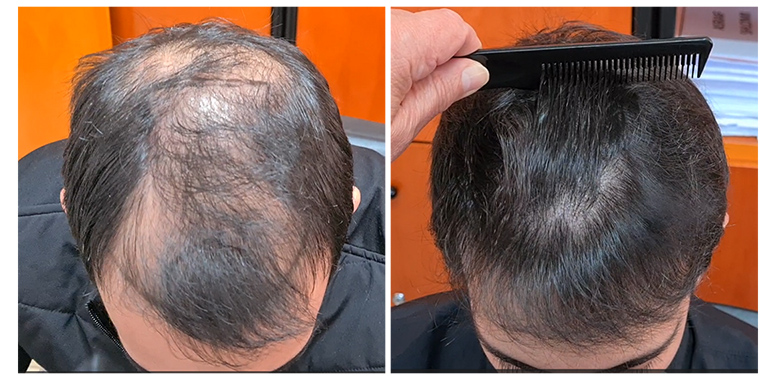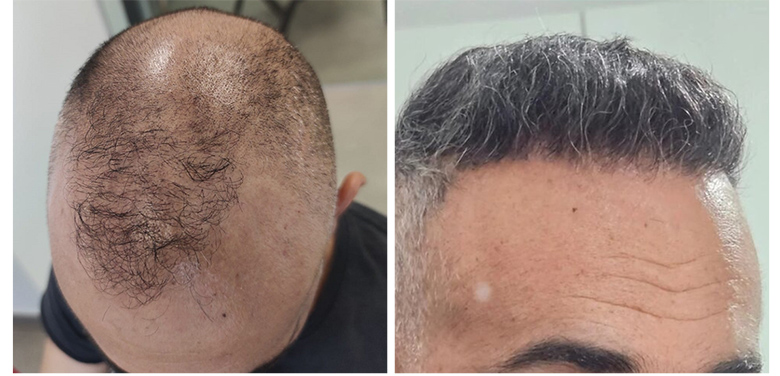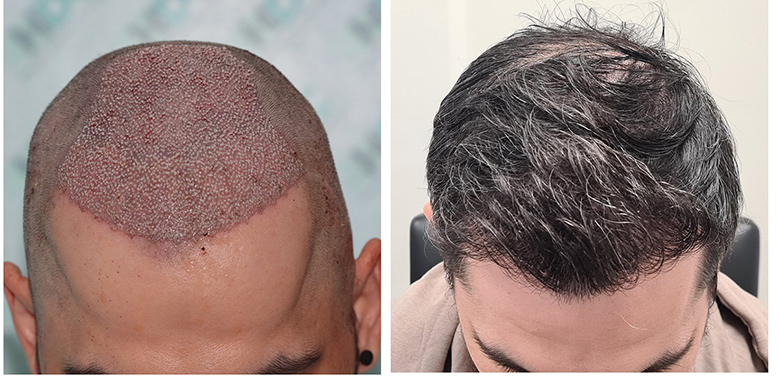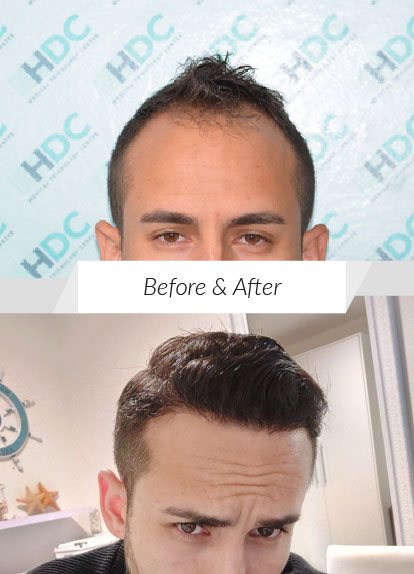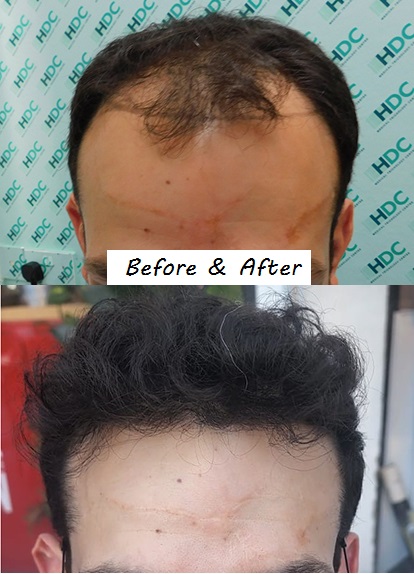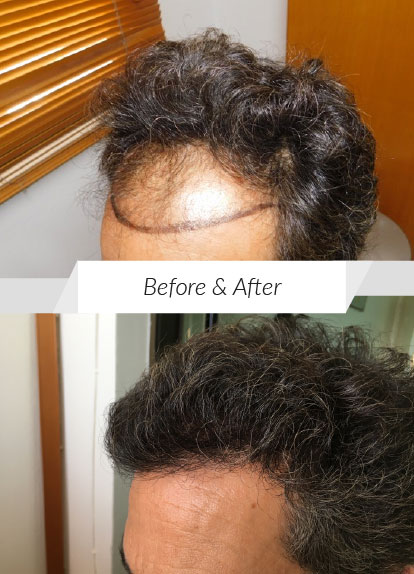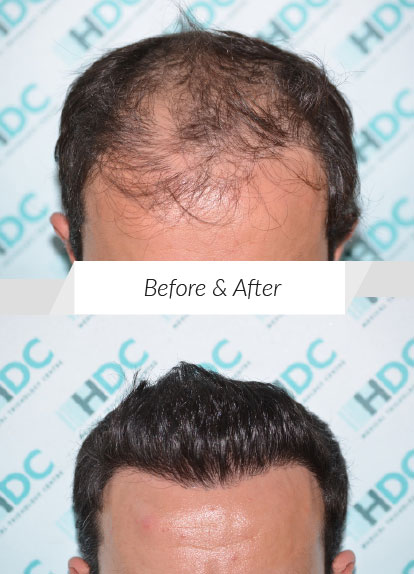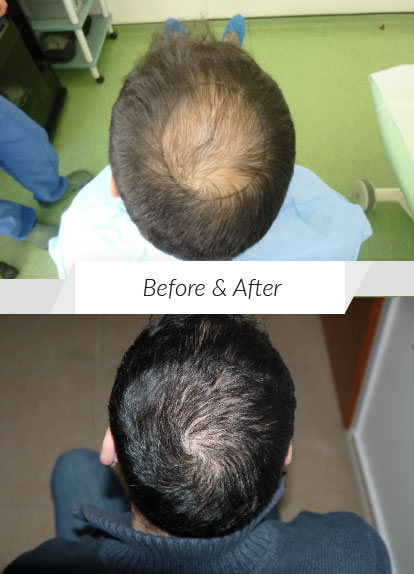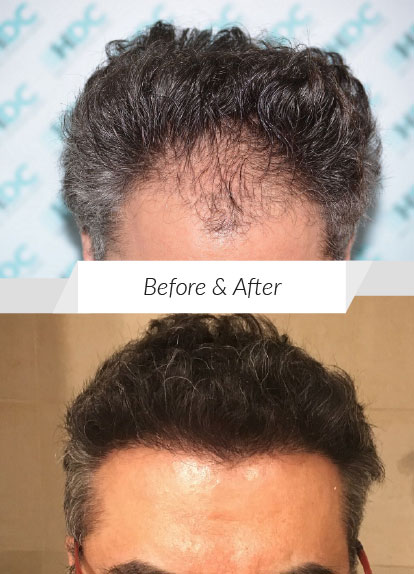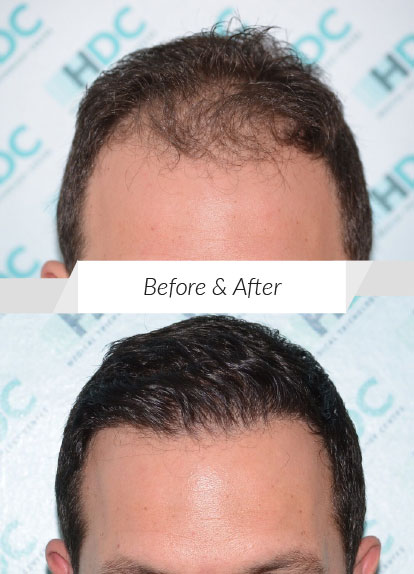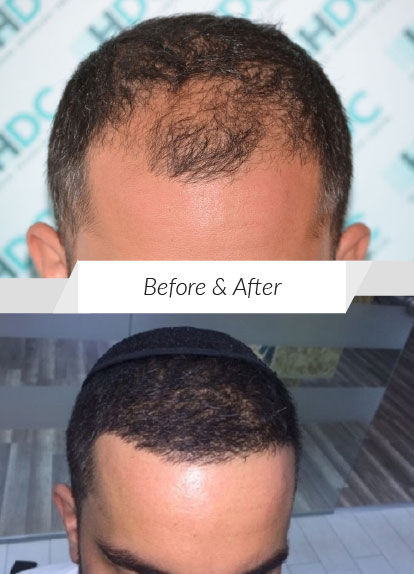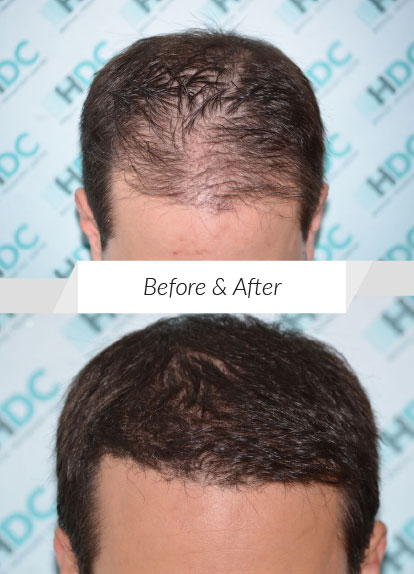
The most important difference between Body Hair FUE (BHFUE) and FUE is that hair is extracted from various other parts of the body and not from the scalp. The main differences between scalp hair and body hair are the following:
The orientation of the follicular units
The skin type
The depth of the hair follicle below the skin and
The thickness and the curl of the hair
The doctor who performs BHFUE must first understand and implement Strip and FUE surgery before performing BHFUE. This technique is recommended in cases where there is not sufficient scalp donor hair.
The key elements necessary to achieve a satisfactory result in Hair Transplantation have already been discussed in our strip method section.
These key elements are:
Proper donor extraction
Proper follicular unit dissection
Proper graft hydration and storage
Recipient site creation using proper angulation, direction and arrangement
Natural hairline design
Careful placement of grafts with the proper technique so as to avoid their damage
Proper post-surgery care
Issues concerning successful Body Hair Transplantation:
Having in mind all the above, there are three major issues that we need to look at in order to have a successful Body Hair FUE surgery. These issues are:
The extraction process.
The hair cycle of body hair.
The compatibility of scalp and body hair.
The Extraction Process
This photo shows the process of chest hair punching. Our physicians using a 0.75mm punch one in a position to punch hundreds of body hair in one day.
This photo illustrates the extraction of the chest hair graft.
Finally you can see the extracted two-hair chest graft intact, without any sign of transection.
The hair cycle of the body hair
The hair growth cycle of the scalp hair has an anagen phase of about five years and a telogen phase of about three months. In other words, hair grows for five years and then stays dormant for another two months before being replaced by new healthy hair. In scalp hair transplantation when hair is transferred from the donor to the recipient area, it takes about three months to start growing, a period, which is equivalent to their telogen phase.
In order to understand how the body hair cycle works one must first understand the scalp hair cycle. Below is an illustration of the scalp hair cycle:
Click on the phases below to view hair growth cycle
The hair growth cycle of the body hair has not been scientifically proven yet. Some studies show that body hair has a very short anagen phase and a very long telogen phase. This means that body hair grows in a period of about six months to about 2 inch long, and they then rest on this length for some years. In Body Hair Transplantation when hair is transferred from the body to the scalp, it may have considerable delay in growth due to their long telogen phase.
The compatibility of scalp and body hair
The compatibility of scalp and body hair especially as far as colour and curl is concerned, is very important. If for example, the body hair of a specific patient is curly and his scalp hair is straight, then body hair transplantation on this patient will be difficult. Body Hair usually grows to about 5 cm so the potential BHFUE patient must accept that he will cut his hair to the maximum of that length.
BHFUE patients must know their limitations and must be carefully selected. This technique however may be the solution to extremely bald patients that could not proceed with hair transplantation in the past due to their limited donor scalp hair.
Healing time of the donor area:
The concern of many BHFUE patients is whether there will be any visible signs on their donor area after the healing of extraction. It is our observation that the healing process is fast and in most cases one month after extraction, there are no visible signs. We can illustrate that, with the photos of one of our patients which were taken the day of extraction and one month later.
BHFUE right after extraction
BHFUE one month after extraction
As it is shown, the healing of the extracted area after one month was complete and there are no visible signs of surgery.
For more and detailed information about hair transplants please read Our Hair TransplantMethods from beginning to end.
For more information on your personal hair restoration options, please feel free to contact us for FREE Online Hair Loss Advice